Cleanroom Audits: Meeting Compliance Goals
A cleanroom that was built to spec and certified on day one isn’t guaranteed to stay that way. Equipment ages, HVAC systems drift, and documentation gaps accumulate quietly until they become audit findings. Cleanroom audits give regulated facilities a structured way to verify that their controlled environment is still performing the way it was designed to perform. For facility managers and manufacturing process owners, understanding what auditors look for, and staying ahead of it, is the difference between a smooth inspection and a costly disruption.
What a Cleanroom Audit Actually Covers
A cleanroom audit is a systematic evaluation of whether your controlled environment meets the regulatory, classification, and operational standards it was built to satisfy. Most audits cover the physical condition of the facility, HVAC and airflow system performance, environmental monitoring data and records, documentation practices, and certification status.
Some audits are conducted internally as part of a quality management program. Others are formal cleanroom inspections triggered by an agency like the FDA. Either way, the goal is the same: verifiable evidence that your cleanroom operates within defined parameters and that deviations are caught, documented, and resolved. Facilities that treat audits as a periodic formality tend to be the ones that struggle most when an unannounced inspection arrives.
Facility Design and Structural Integrity
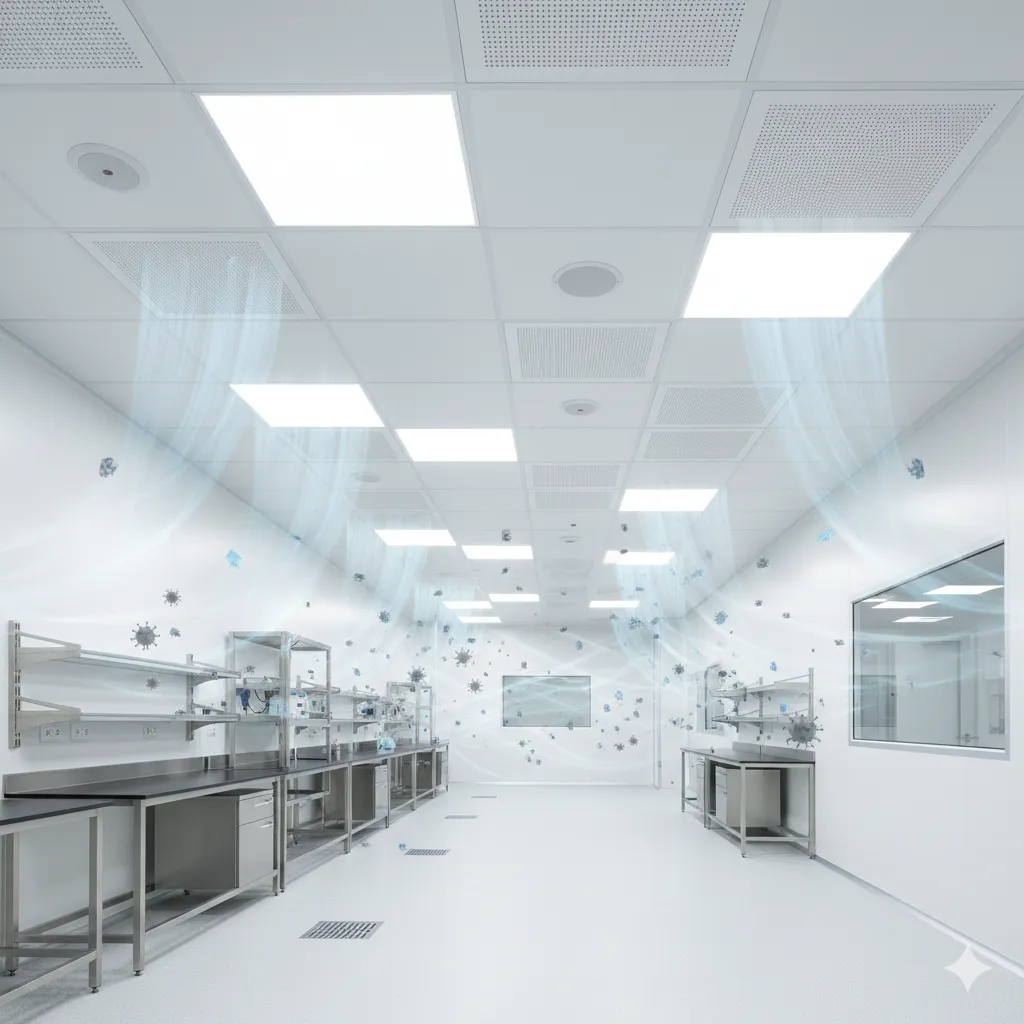
Before any mechanical system gets evaluated, auditors look at the physical environment itself. The structure of a cleanroom directly affects its ability to maintain classification, and deterioration in the building envelope can compromise even a well-maintained HVAC system.
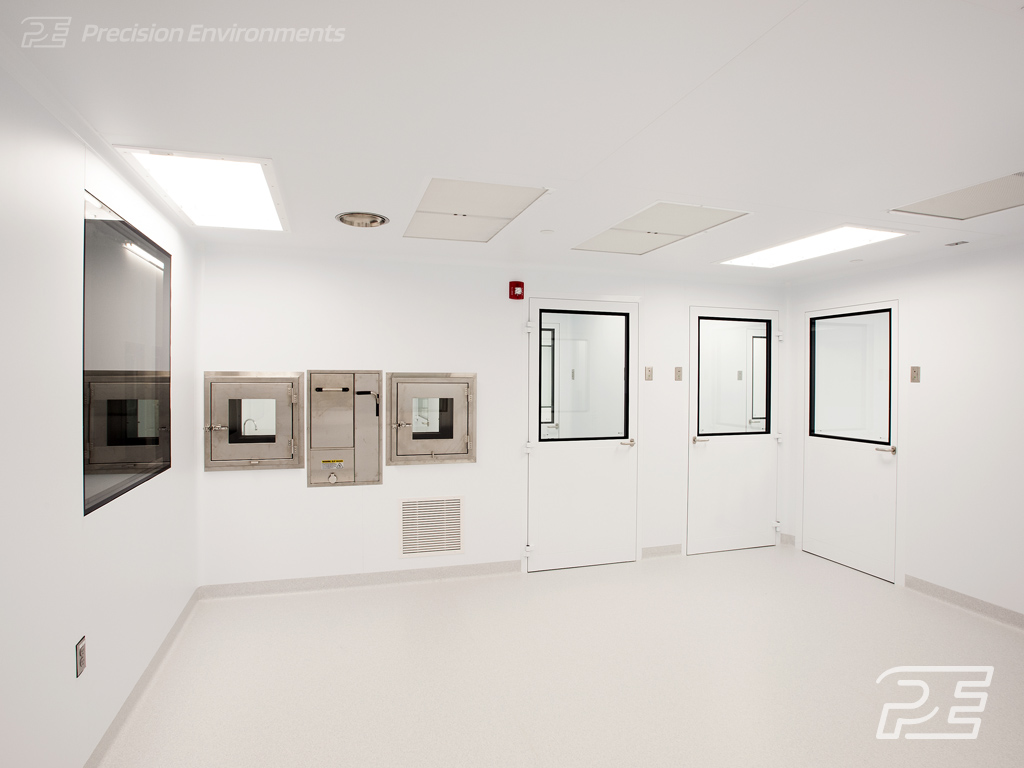
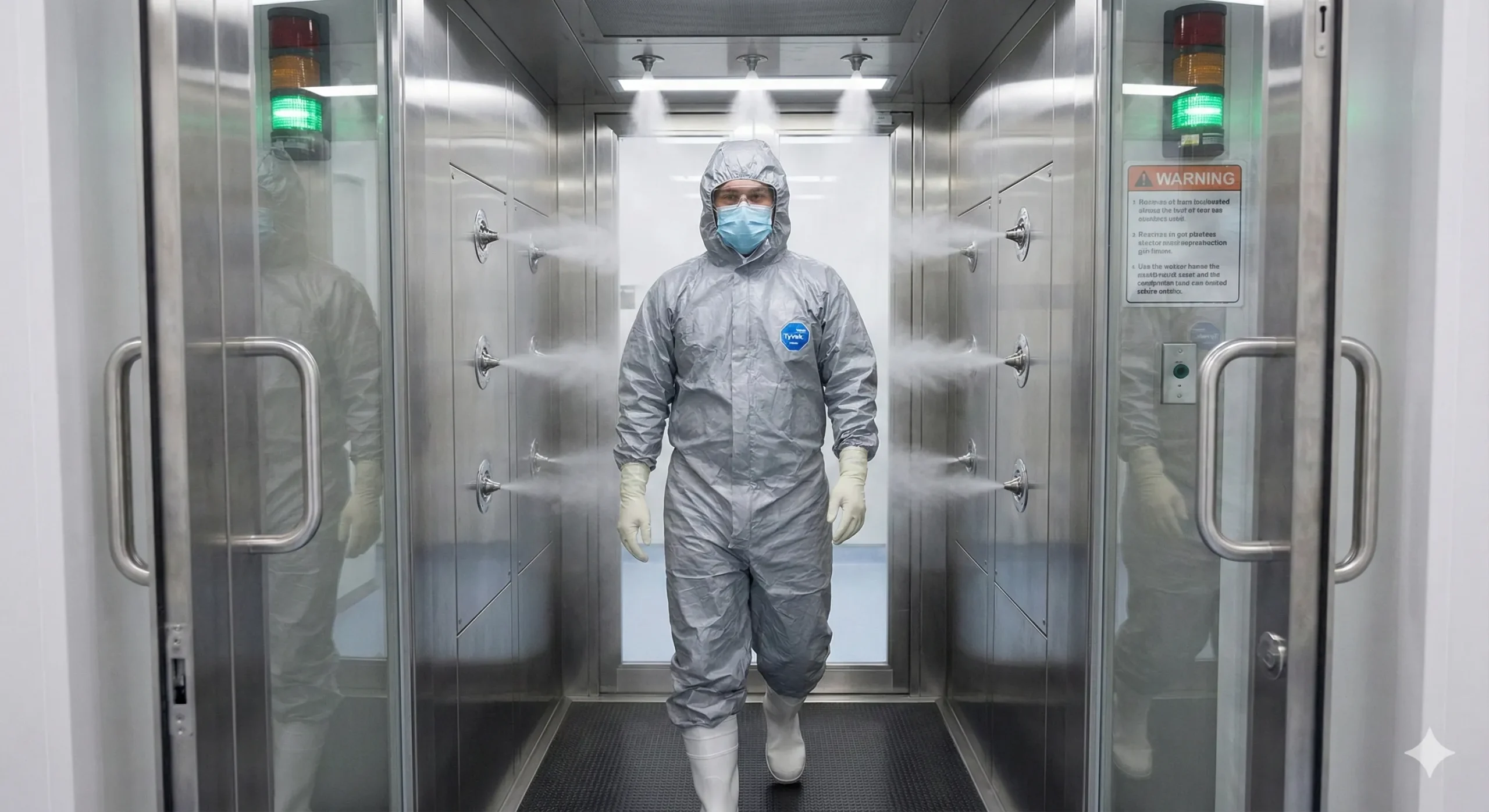
Auditors assess wall, ceiling, and floor finishes for damage that could harbor particulate, and check seal integrity around penetrations, doors, utility pass-throughs, and windows. Fixture and hardware condition matters too, as flush-mounted components reduce particle accumulation. Airlocks, pass-throughs, and gowning room condition are also evaluated, since these transitional spaces are the first line of defense against outside contamination risks and their function has to be documented and demonstrably maintained. A cleanroom built with audit readiness in mind from the start is considerably easier to maintain over its operational life, and that starts with the contractor’s own safety quality programs during construction.
HVAC and Airflow Performance
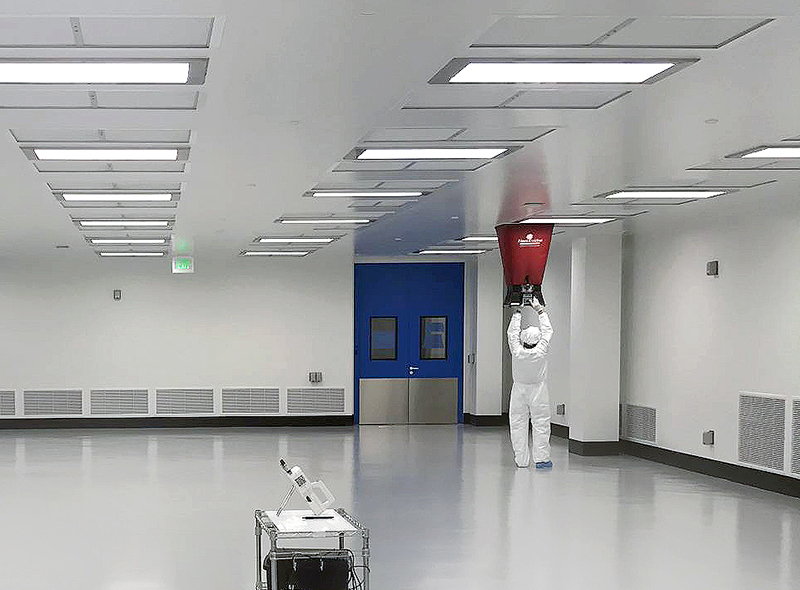
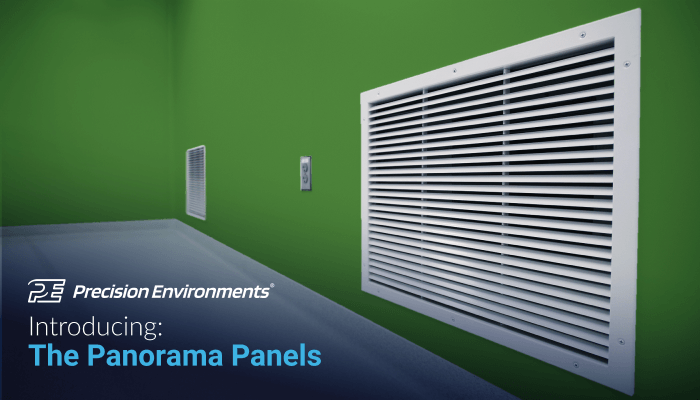
The HVAC system determines whether a cleanroom actually achieves and holds its ISO classification. Auditors verify that air change rates align with the room’s ISO classification and design specifications, and that pressure cascades between adjacent rooms confirm air flows from cleaner to less clean spaces. HEPA and ULPA filter integrity testing data is reviewed, along with airflow uniformity test records, temperature and humidity readings, and calibration records for all sensors and controls.
One area that auditors increasingly scrutinize is the control system itself. The software and hardware managing HVAC operation need to be documented, maintained, and capable of producing reliable data for review. Facilities running outdated or poorly documented control systems often discover that gap during an audit.
Environmental Monitoring and Particle Testing
Environmental monitoring is how a facility proves, on an ongoing basis, that its cleanroom is maintaining classification. Auditors review whether monitoring covers both viable and nonviable particle monitoring, whether sampling locations and frequencies are defined and followed, and whether alert and action limits are appropriate for the room’s classification. Particle counter calibration records have to be current, and microbiological sampling equipment has to meet accreditation standards.
Trend data is where the depth of a monitoring program really shows. An auditor wants to see not just that data was collected, but that it was analyzed over time and that any excursions generated documented corrective actions. A single out-of-spec result isn’t necessarily a serious finding. An out-of-spec result with no documented response is. Facilities operating in highly regulated manufacturing categories, such as those requiring a radiopharmaceutical cleanroom inspection, face some of the most demanding environmental monitoring and documentation requirements in the industry.
Documentation and Recordkeeping
In a regulated cleanroom environment, if it isn’t documented, it didn’t happen. SOPs have to be current, controlled, and accessible at the point of use. Logbooks are reviewed for completeness, and auditors look closely for gaps, overwritten entries, or missing timestamps.
Deviation documentation and CAPA records are a significant focus. Auditors want to see that deviations were identified, root-caused, addressed, and that the resolution was verified. A backlog of open CAPAs or a pattern of recurring deviations in the same area is a red flag. Document retention practices also come under review, and facilities that store documentation in disconnected or informal systems often struggle to produce records quickly during an inspection.
Cleanroom Certification and Recertification
Cleanroom certification is the formal, documented verification that a cleanroom meets its specified ISO classification and regulatory requirements. Most regulated facilities operate under recertification cycles, and the status of that certification is one of the first things an auditor checks.
Initial certification establishes the baseline through testing per ISO 14644-1, covering airborne particle counts, HEPA filter leak performance, room pressurization, air exchange rates, airflow volume and velocity, and temperature and humidity. Recertification follows the original testing protocol so results can be compared against that baseline, providing documented evidence that the cleanroom continues to perform as built. Annual recertification is standard practice for most controlled environments. Third-party certification conducted by an accredited testing organization adds an independent layer of credibility to that documentation, which carries weight in both regulatory inspections and client audits.
Common Audit Findings and How to Get Ahead of Them
Audit findings tend to cluster around the same categories across industries and facility types. HVAC drift is one of the most common mechanical findings. Filters load over time, sensors fall out of calibration, and pressure differentials shift gradually in ways that aren’t obvious without systematic monitoring.
Documentation lapses are equally common: SOPs that haven’t been reviewed in years, logbooks with missing entries, calibration records that expired without follow-up. Expired calibrations on particle counters, temperature sensors, and humidity instruments are a straightforward finding with a straightforward fix, but they appear consistently because calibration schedules can fall through the cracks without a formal tracking system. Open or inadequately resolved CAPAs round out the list, since auditors return to prior findings and expect documented, verified resolution. Proactive maintenance programs, regular recertification cycles, and disciplined documentation practices are the most reliable way to address these findings before they appear on an audit report.
How Precision Environments Supports Audit Readiness
Precision Environments designs and builds controlled environments with compliance built in from the start. The six-phase design-build model, from concept and planning through certification and ongoing maintenance, means audit readiness is part of the structure of every project, not an afterthought.
Our PRECEDE compliance program addresses regulatory requirements at the cleanroom design stage, covering ISO compliance, cGMP, USP, IQ/OQ/PQ process validation, and FDA documentation support. Precision Environments also develops and maintains in-house DDC control systems rather than outsourcing to a third party, meaning the same team that designed the control system supports it through the facility’s operational life. That continuity matters when an auditor asks for control system documentation and maintenance history.
Certification and recertification services are conducted under A2LA ISO/IEC 17025:2017 accreditation, covering environmental surveys of temperature, humidity, pressure, airflow, illuminance, and sound. Preventive maintenance agreements keep mechanical systems, control systems, and certification status current between audit cycles. With 35+ years of experience and an 80% repeat client rate, Precision Environments supports clients across the full facility lifecycle.
Request a consultation to discuss your cleanroom audit readiness and certification needs.
Frequently Asked Questions
How often should a cleanroom be audited?
Most regulated facilities conduct internal audits annually at minimum, with some industries or quality management programs requiring more frequent reviews. Recertification testing, which produces the documented environmental performance data auditors rely on, is also typically conducted on an annual basis.
What is the difference between a cleanroom audit and cleanroom certification?
Certification is the formal testing and documentation process that verifies a cleanroom meets its ISO classification and applicable regulatory standards. An audit is a broader review of whether the facility, its systems, its documentation, and its operational practices are all functioning in compliance. Certification records are one component of what an audit evaluates.
What standards govern cleanroom audits?
ISO 14644-1 is the primary international standard for cleanroom classification and particle testing. Depending on the industry, audits may also reference cGMP guidelines, FDA regulations, USP standards, or IEST test methods. Pharmaceutical and life sciences facilities frequently operate under multiple overlapping frameworks, and audit scope reflects that.