by Jonathan Wolff | Jul 25, 2025 | Cleanroom Blog, Cleanroom Knowledge Base
A cleanroom split system DX HVAC (Direct Expansion Heating, Ventilation, and Air Conditioning) is a type of cooling system commonly used in smaller cleanroom environments where central chilled-water systems may not be feasible. The system utilizes refrigerant to provide cooling and humidity control within the cleanroom and is designed to provide precise environmental control for cleanrooms, ensuring temperature, humidity, and air quality are maintained within specific parameters.
by Jonathan Wolff | Jul 25, 2025 | Cleanroom Blog, Cleanroom Knowledge Base
A cleanroom split system DX HVAC (Direct Expansion Heating, Ventilation, and Air Conditioning) is a type of cooling system commonly used in smaller cleanroom environments where central chilled-water systems may not be feasible. The system utilizes refrigerant to provide cooling and humidity control within the cleanroom and is designed to provide precise environmental control for cleanrooms, ensuring temperature, humidity, and air quality are maintained within specific parameters.
by Jonathan Wolff | Jul 25, 2025 | Cleanroom Blog, Cleanroom Knowledge Base
Precision Environments is excited to announce the appointment of Stephen E. Dirks as its new Chief Operating Officer. With a wealth of experience spanning consulting, design, construction, and real estate development, Dirks brings a 360 view of design build projects. His impressive portfolio includes successful cleanroom and dry room projects, expertly integrating mechanical systems and process piping for semiconductor, L-Ion battery, and life science sectors.
by Jonathan Wolff | Jul 25, 2025 | Cleanroom Blog, Cleanroom Knowledge Base
A cleanroom split system DX HVAC (Direct Expansion Heating, Ventilation, and Air Conditioning) is a type of cooling system commonly used in smaller cleanroom environments where central chilled-water systems may not be feasible. The system utilizes refrigerant to provide cooling and humidity control within the cleanroom and is designed to provide precise environmental control for cleanrooms, ensuring temperature, humidity, and air quality are maintained within specific parameters.
by Jonathan Wolff | Apr 6, 2024 | Cleanroom Blog, Cleanroom Knowledge Base, Jeff Meek
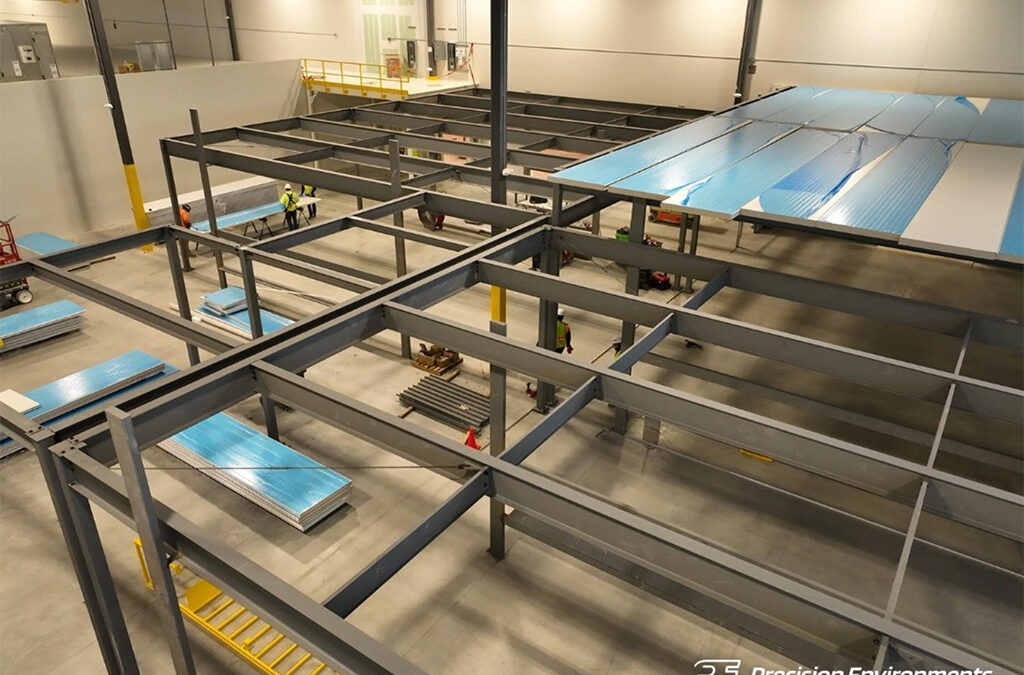
Cleanrooms are critical environments used in various industries such as pharmaceuticals, biotechnology, electronics manufacturing, and aerospace. Maintaining the highest levels of cleanliness and controlling environmental factors like particulate matter, temperature, humidity, and pressure is essential for the success of operations within cleanrooms. However, achieving these stringent requirements relies on the structural support systems that uphold the integrity of the cleanroom environment. In this blog post, we will look at some ways cleanroom systems are structurally supported.
by Jonathan Wolff | Mar 26, 2024 | Cleanroom Blog, Cleanroom Knowledge Base, Jeff Meek
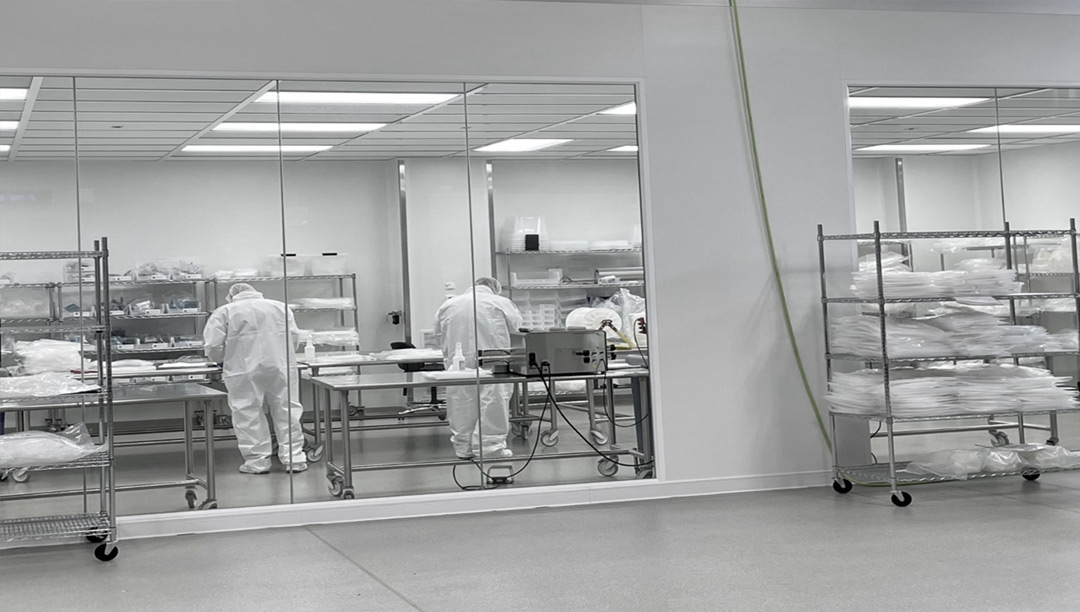
Cleanrooms serve as critical environments across diverse industries, ensuring product quality, safety, and compliance with regulatory standards. Let us explore several types of cleanrooms and give a quick look at their applications:
