What is a Cleanroom Environment?
A cleanroom environment is a specially designed and controlled space where airborne particles, contaminants, and environmental factors like temperature, humidity, and pressure are precisely managed to meet strict standards. It is a protective area where manufacturing processes, research activities, or product assembly can occur without interference from external pollutants that could compromise quality, safety, or regulatory compliance.
An Introduction to Cleanrooms
The fundamental principle behind any cleanroom environment revolves around contamination control. These controlled environments use advanced filtration systems, specialized construction materials, and strict operational protocols to create conditions where even microscopic contaminants are controlled or eliminated.
What makes cleanrooms particularly valuable is their adaptability. A pharmaceutical cleanroom designed for vaccine production operates very differently from a cleanroom for semiconductors, yet both rely on the same core principles of environmental control.
Cleanroom Classifications (ISO Standards)
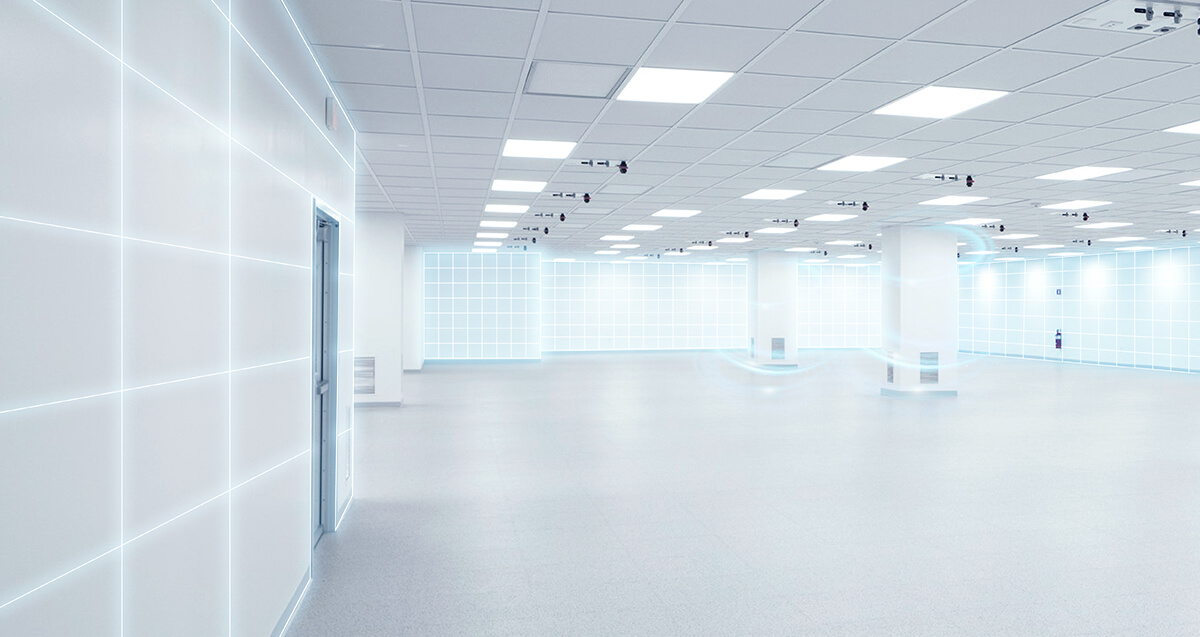
Cleanrooms are classified using ISO 14644 standards, which define the maximum allowable particle concentrations per cubic meter of air:
ISO 3 (Class 1):

The most stringent classification, allowing only 1,000 particles (0.1 microns or larger) per cubic meter, reserved for advanced semiconductor manufacturing
ISO 5 (Class 100):
Allows 100,000 particles per cubic meter and commonly serves life sciences applications, including sterile pharmaceutical and medical device manufacturing
ISO Class 6 (Class 1000):

Accommodates 1,000,000 particles per cubic meter and bridges the gap between the most stringent requirements and more moderate applications
ISO 7 (Class 10,000):

Permits 10,000,000 particles per cubic meter and frequently supports pharmaceutical manufacturing and biotechnology research
ISO 8 (Class 100,000):

The most lenient classification, allowing 100,000,000 particles per cubic meter, suitable for less critical manufacturing processes
Common Applications in Various Industries
The versatility of cleanrooms makes them indispensable across numerous sectors:

Pharmaceutical Manufacturing:
Drug production, vaccine development, and sterile injectable manufacturing require cleanrooms to prevent contamination that could compromise patient safety

Biotechnology Research:
Cell culture work, genetic research, and biological product development rely on cleanrooms to maintain sterile conditions and prevent cross-contamination

Semiconductor Manufacturing:
Microchip production demands extremely clean environments because even tiny particles can cause defects in electronic components, resulting in product failures.

Medical Device Production
Surgical instruments, implants, and diagnostic equipment manufacturing require cleanrooms to ensure sterility and prevent contamination

Aerospace and Defense:
Critical component manufacturing and assembly for aircraft and defense systems utilize cleanrooms to maintain precision and reliability standards

Automotive Manufacturing:
High-tech automotive components like sensors and electronic systems benefit from cleanrooms to ensure consistent quality
Essential Components of Cleanroom Design
HVAC and Air Filtration Systems
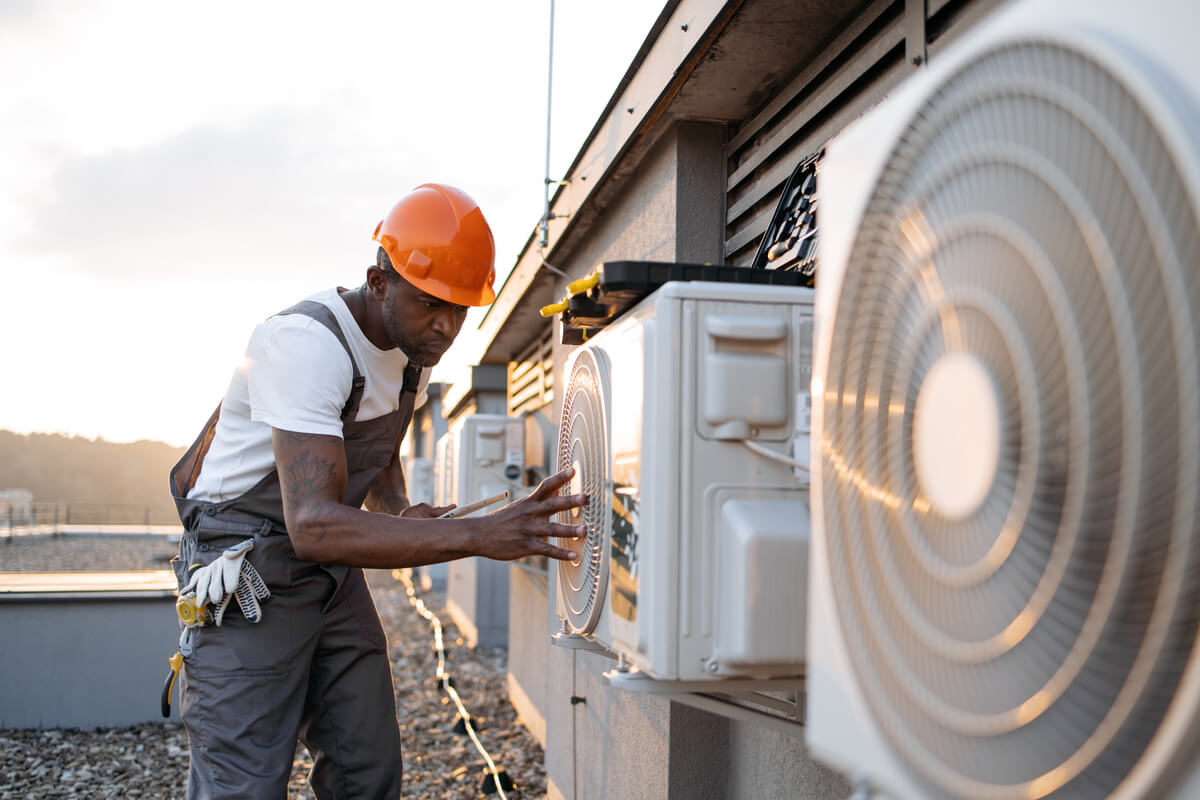
HVAC systems must maintain precise temperature and humidity levels while continuously filtering and circulating air to remove contaminants. High-efficiency particle air (HEPA) filters capture particles as small as 0.3 microns with 99.97% efficiency. Ultra-low particle air (ULPA) filters provide even greater filtration for the most demanding applications, removing particles down to 0.12 microns with 99.999% efficiency.
Air change rates in cleanrooms typically range from 20 to 600 air changes per hour, depending on the classification requirements. This constant air movement creates positive pressure differentials that prevent contaminated air from entering the controlled space.
Cleanroom Construction Materials
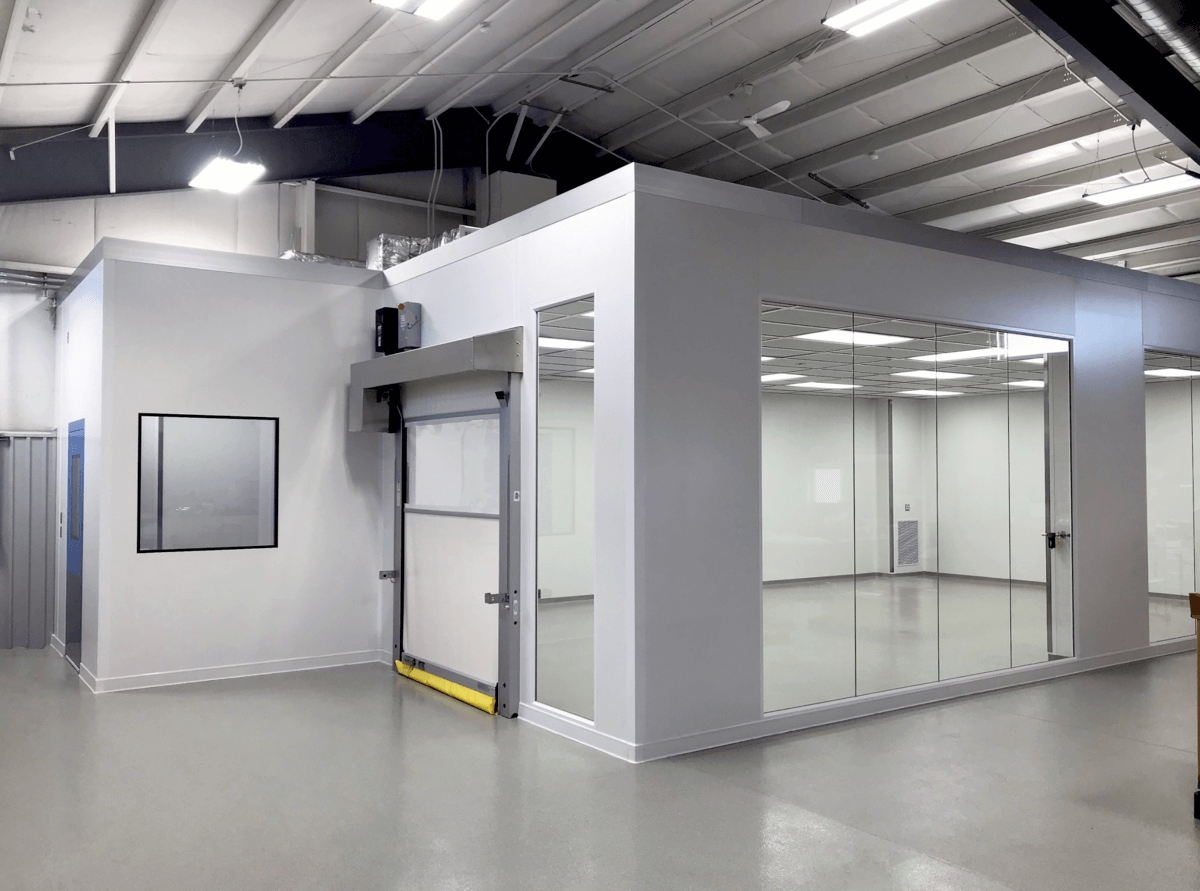
Every surface within a cleanroom must be carefully selected to minimize particle generation and facilitate easy cleaning. Traditional building materials like drywall and wood are unsuitable because they shed particles and harbor contaminants.
Cleanroom walls typically feature non-porous, smooth surfaces made from materials like stainless steel, aluminum, or specialized composite panels with epoxy or polyurethane coatings. These materials resist chemical cleaning agents while providing seamless surfaces that prevent particle accumulation. Cleanroom flooring systems often utilize epoxy, vinyl, or specialized resin systems that create monolithic surfaces without seams or joints where contaminants could collect. These flooring materials are also engineered to prevent static discharge, which can damage sensitive electronic components and attract particles.
Environmental Monitoring Systems and Controls
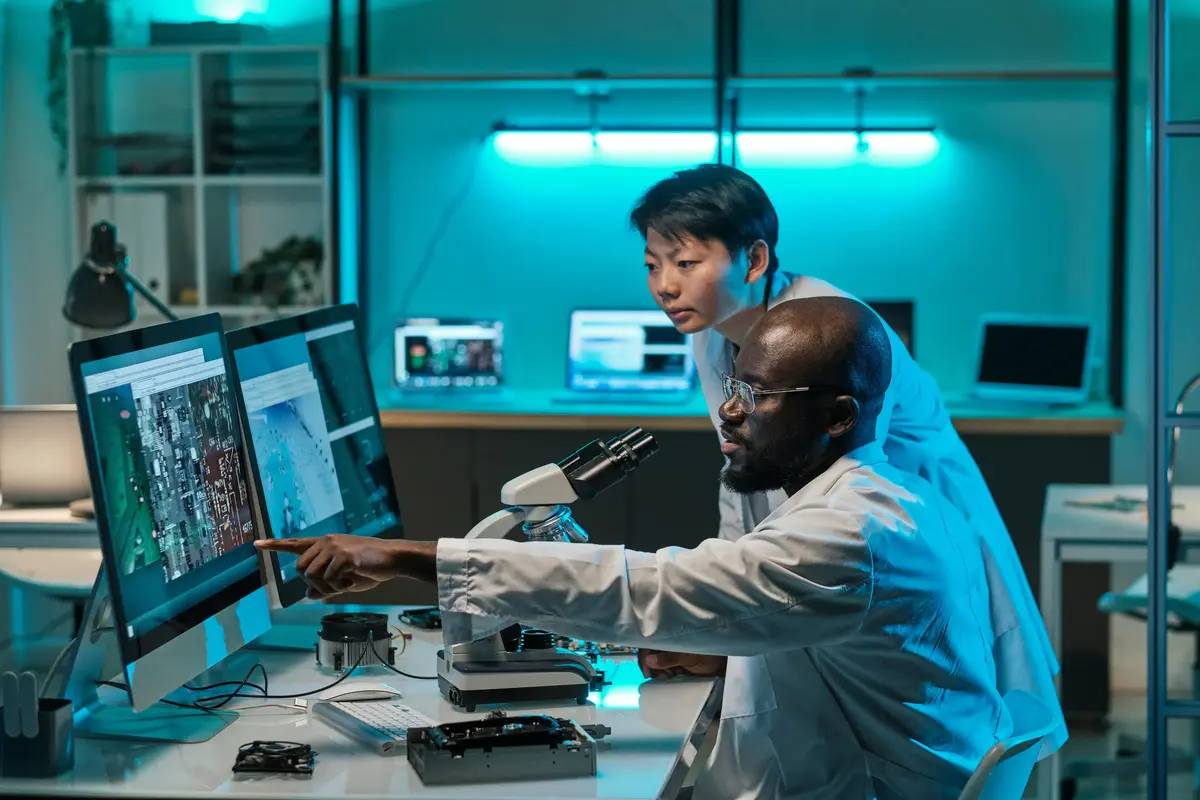
Modern cleanrooms rely on sophisticated monitoring and control systems that continuously track environmental parameters and automatically adjust conditions to maintain compliance. These systems monitor particle counts, temperature, humidity, pressure differentials, and airflow rates in real time.
Direct Digital Control (DDC) systems serve as the brain of cleanroom operations. They use sensors and automated controls to maintain precise environmental conditions while providing data logging and alarm capabilities to meet regulatory standards.
Cleanroom Operations and Maintenance
Personnel Training and Protocol
People are significant sources of contamination in cleanrooms, so proper training and protocol adherence are essential. Personnel must understand gowning procedures, movement patterns, and behavioral requirements that minimize particle generation and contamination risks. Gowning protocols typically involve multiple layers of specialized clothing, including coveralls, hoods, gloves, and shoe covers, all designed to contain particles shed by the human body. Many facilities also incorporate air shower systems at entry points to remove loose particles from personnel before they enter the cleanroom.
Cleaning and Sanitization Procedures
Maintaining cleanroom environments requires specialized cleaning procedures that go beyond conventional janitorial services. These procedures use validated cleaning agents, techniques, and schedules designed to remove contaminants without introducing new ones. Cleaning protocols often involve multiple steps, including particle removal, disinfection, and verification testing. The frequency and intensity of cleaning procedures depend on the cleanroom classification.
Quality Control and Documentation
Cleanrooms must maintain detailed documentation of all activities, environmental conditions, and maintenance procedures to demonstrate regulatory compliance and ensure consistent performance. This documentation includes calibration records, cleaning logs, personnel training records, and environmental monitoring data. Regular testing and certification verify that cleanrooms continue to meet their design specifications and regulatory requirements through particle counting, airflow verification, filter integrity testing, and environmental parameter validation.
Precision Environments: Your Partner in Cleanroom Excellence
Precision Environments brings over 35 years of experience in designing, building, and maintaining world-class cleanroom environments across diverse industries. Our comprehensive approach covers every aspect of cleanroom implementation, from initial concept and regulatory compliance consulting to construction management and ongoing maintenance services. Request a consultation to discuss how we can create the perfect cleanroom for your specific needs.
FAQ
What factors determine the required classification for a cleanroom?
The required classification depends on your specific application, regulatory requirements, and the level of contamination control needed. Industries like pharmaceuticals typically require ISO 5-7 classifications, while semiconductor manufacturing may need ISO 3-4 environments.
How often should a cleanroom be recertified?
Most cleanrooms require annual recertification to maintain compliance with industry standards and regulatory requirements. However, some applications may require more frequent testing based on specific regulations or operational needs.
What are the primary sources of contamination in cleanrooms?
The main contamination sources include personnel, equipment, materials entering the space, and the facility itself. Proper protocols, training, and environmental controls help minimize these contamination sources.