Radiopharmaceutical Cleanroom Inspection Guide
Radiopharmaceutical cleanroom inspections are not a standard compliance checkbox. These facilities operate under two simultaneous obligations: maintaining aseptic conditions for sterile drug production and protecting personnel from radioactive materials. That dual mandate means inspectors are evaluating your environment against multiple frameworks at once, including U.S. Food and Drug Administration (FDA) regulations, Nuclear Regulatory Commission (NRC) guidelines, and United States Pharmacopeia (USP) standards. For facilities where product half-lives leave no room for delays in testing or release, inspection readiness has to be built into daily operations.
Why Radiopharmaceutical Cleanrooms Face a Higher Inspection Bar
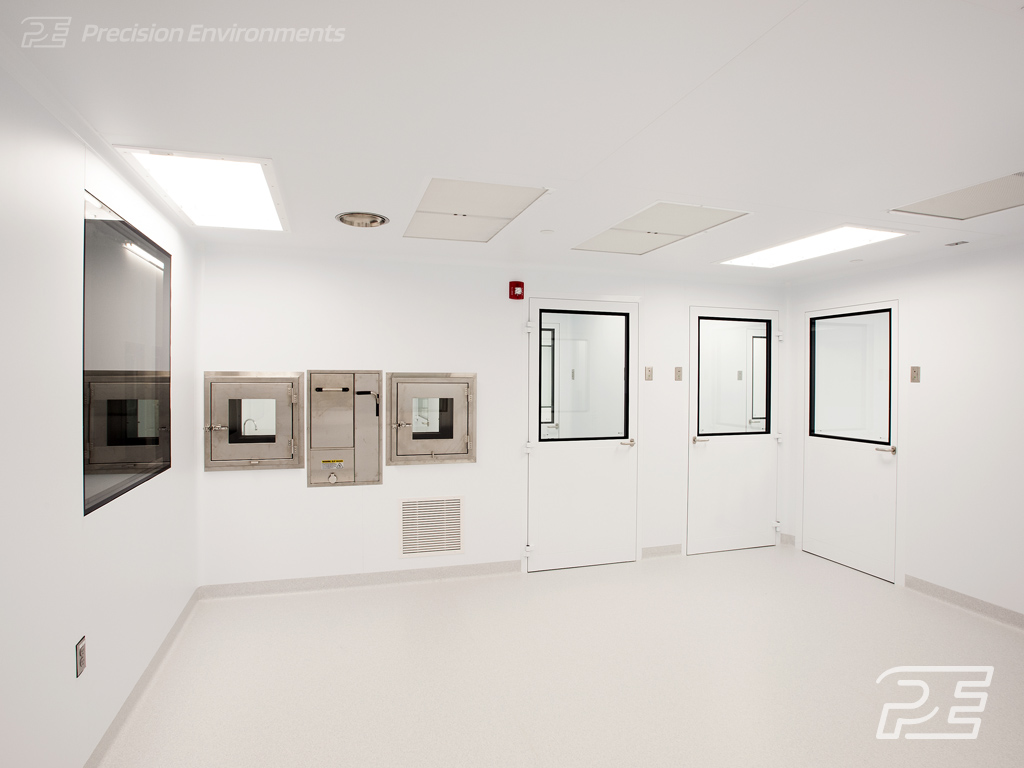
Standard pharmaceutical cleanrooms are primarily designed to protect the product. Radiopharmaceutical cleanrooms have to protect both the product and the people making it. That distinction shapes everything from pressure differential strategy to documentation requirements.
Governing standards for these facilities include USP <825>, cGMP regulations under 21 CFR 210 and 211 for therapeutic agents, and 21 CFR Part 212 for PET diagnostic agents. The NRC adds another layer of oversight specific to radioactive material handling, transportation, and administration. Facilities must satisfy all of these simultaneously.
Short product half-lives add pressure that most pharmaceutical environments never face. There is no time to retest, reprocess, or wait out a documentation gap. Inspection readiness in radiopharmaceutical production is, by necessity, a continuous state.
Key Inspection Focus Areas

Radiopharmaceutical cleanroom inspections cover a wide range of systems and records. The following areas consistently receive the most scrutiny.
Environmental Controls and ISO Classification Compliance
Radiopharmaceutical cleanrooms typically operate at ISO Class 7 or 8, with ISO Class 5 areas designated for aseptic processing, including hot cells and isolators. Inspectors verify that each zone meets its classified standard through airborne particle counts, air exchange rate documentation, HEPA filtration integrity testing, and temperature and humidity records.
Pressure differential strategy also comes under review. Sterile manufacturing environments traditionally rely on positive pressure to protect the product. Facilities handling higher-occupational-exposure-band compounds often require negative pressure containment to protect workers. Inspectors will confirm that the pressure strategy aligns with the hazard classification and that it is being monitored and documented consistently.
Hot Cell and Isolator Performance
Hot cells and isolators are where the most sensitive operations happen. Inspectors evaluate containment integrity, airflow performance within the isolator, HEPA supply and exhaust filter condition, and view panel clarity. Decontamination records for these units receive close attention, particularly documentation showing that cleaning sequences follow validated procedures and that contact times were observed.
Aseptic Processing and Gowning Verification
USP <825> sets specific requirements for personnel qualifications and garbing. Inspectors review media fill and gloved fingertip test records to confirm staff have demonstrated aseptic handling practices. Gowning documentation must show that personnel are using garments that have not been in patient care areas, and that hand hygiene protocols were followed before and after donning.
Training records are also part of this review. Personnel involved in sterile compounding must be reassessed on a defined schedule, and those records need to be current and accessible.
Radiation Safety Practices
This is where radiopharmaceutical inspections diverge most sharply from conventional cleanroom reviews. Inspectors examine documentation supporting ALARA (As Low as Reasonably Achievable) compliance, including records showing personnel exposure tracking, shielding verification, and use of remote handling tools. Dedicated waste lines, shielded drains, and radiation monitoring systems are all subject to review. Contamination control logs for high-contact surfaces must demonstrate that cleaning protocols account for radioactive residue, not just particulate and microbial concerns.
Documentation and Record Integrity
Records in radiopharmaceutical facilities have to satisfy two audiences: quality assurance teams and radiation safety teams. Inspectors look for room logs, shift release checks, Master Formulation Records, Certificates of Analysis, and deviation notes that include corrective and preventive action handoff. Gaps, inconsistencies, or records that require interpretation are common sources of findings. The standard is documentation that a reviewer can move through quickly and confidently.
Common Inspection Findings in Radiopharmaceutical Cleanrooms
Even well-run facilities encounter recurring issues during inspections. Pressure differential deviations that fall outside specification between monitoring intervals are among the most common findings, particularly in facilities relying on manual spot checks rather than continuous monitoring. Incomplete shift release documentation is another frequent issue, especially when records need to satisfy both quality and radiation safety reviewers and the format does not support that dual review efficiently.
Gowning qualification records that are outdated or missing, environmental monitoring gaps in ISO Class 8 transition zones, and inadequate separation between nonsterile and sterile preparation areas round out the most commonly cited deficiencies. Many of these findings trace back to facility design or monitoring infrastructure rather than personnel error alone.
How Facility Design Affects Inspection Outcomes
Zoning and Pressure Design
The physical environment a facility is built in directly influences how consistently it can maintain inspection readiness. Cleanroom zoning and cascading pressure design, where the most stringent zone carries the highest pressure, support contamination control between areas and give inspectors a clear, documentable pressure cascade to review.
Material Selection
Surfaces that tolerate aggressive decontamination agents, including hydrogen peroxide and vaporized hydrogen peroxide (VHP), without degrading support cleaning verification. Seamless wall and floor systems eliminate areas where residue or contamination can accumulate and go undetected.
Environmental Monitoring Infrastructure
Integrated environmental monitoring systems generate the kind of continuous, time-stamped data that holds up under inspection. Facilities relying on manual interval checks carry more documentation risk. Control systems that capture real-time performance data and flag deviations give quality teams something concrete to work with before an inspector arrives.
Scalability and Long-Term Compliance
Facilities designed for scalability also tend to maintain cleaner compliance records over time. When infrastructure is built to accommodate reconfiguration and expansion, protocols can stay consistent as production volumes change.
Radiopharmaceutical Cleanroom Inspection Services From Precision Environments
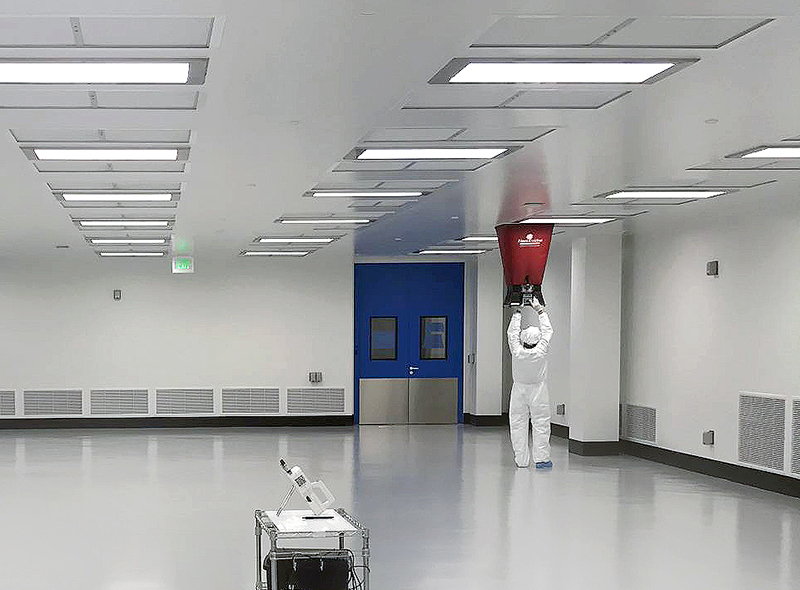
Precision Environments is an A2LA-accredited, ISO/IEC 17025:2017 certified design-build contractor for controlled environments. Our team inspects and certifies cleanrooms, whether they were built by us or another contractor. With 35 years of experience across pharmaceutical, life sciences, and regulated manufacturing, we understand what inspectors are looking for and how to document it.
Our certification services cover airborne particle counts, HEPA airflow velocity, room pressurization, air exchange rates, laminarity, and temperature and humidity verification. All testing is NIST traceable and produces an ISO 17025-compliant report and certificate. Our in-house service team also handles DDC control system evaluation and software assessments, giving facilities a complete picture of environmental, mechanical, and controls performance in a single engagement.
For facilities that need ongoing support, Precision Environments offers preventive maintenance agreements alongside certification services, so inspection readiness does not end when the testing team leaves. Contact us to schedule your cleanroom inspection and certification.
Frequently Asked Questions
How often should a radiopharmaceutical cleanroom be inspected?
Most facilities conduct recertification testing annually at minimum, though operational demands and regulatory requirements may call for more frequent reviews. Precision Environments recommends establishing a recertification schedule based on your facility’s classification, production volume, and applicable standards.
What is the difference between USP <825> and USP <797> for cleanroom inspection purposes?
USP <797> establishes the foundational standards for sterile compounding environments. USP <825> builds on that framework with specific protocols for radiopharmaceutical preparation, adding requirements for radiation safety, ALARA compliance, and the unique handling demands of radioactive drug products.
What does a radiopharmaceutical cleanroom inspection typically include?
A thorough inspection covers environmental parameter testing, HEPA filter integrity, pressure differential verification, air exchange rates, and temperature and humidity confirmation. Documentation review, including certification records and equipment performance logs, is also part of a complete inspection.